➡️ INTRODUCTION
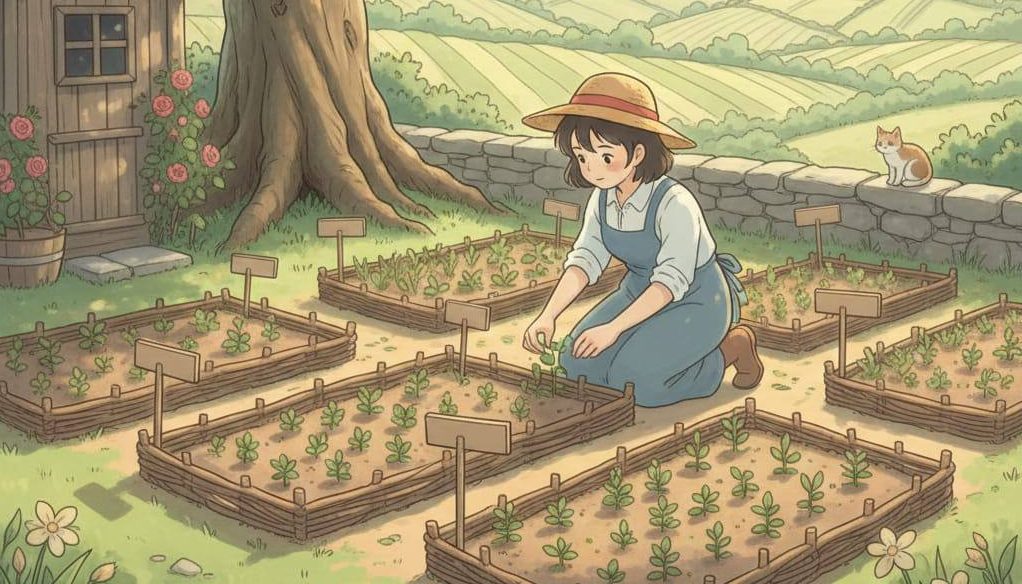
→ Medicinal plant farming is an emerging agricultural practice that combines traditional knowledge with modern market demand. With growing interest in natural healthcare, herbal products, and plant-based remedies, medicinal plants have become valuable crops for farmers and beginners alike. This type of farming matters because it requires relatively low investment, can be done on small land areas, and offers high income potential when managed properly. Medicinal plant farming also supports sustainable agriculture and biodiversity conservation. This complete beginner’s guide explains how to start medicinal plant farming step by step, choose the right plants, manage cultivation, and understand market opportunities so readers can build a profitable and sustainable farming venture.
➡️ Key Points / Benefits
→ Growing demand for herbal and natural products
→ Suitable for small landholders and beginners
→ Low input cost compared to many cash crops
→ Can be practiced alongside traditional farming
→ Environment-friendly and sustainable farming option
→ Offers long-term income and diversification benefits
🔵 1️⃣ → Understanding Medicinal Plant Farming Basics
Medicinal plant farming involves cultivating plants used for healthcare, wellness, and herbal industries. Beginners should first understand what makes a plant medicinal and how it is used.
Key basics to learn:
- Parts used: leaves, roots, bark, seeds, or flowers
- End use: fresh, dried, or processed raw material
- Market demand and buyer requirements
Step-by-step guidance:
- Study commonly grown medicinal plants in your region
- Learn basic cultivation requirements such as soil and climate
- Start with one or two easy-to-grow species
Avoid growing too many plants at once without market clarity. Proper planning and basic knowledge form the foundation of successful medicinal plant farming.
🔵 2️⃣ → Selecting the Right Medicinal Plants for Beginners
Choosing the right plant species is one of the most important decisions for beginners. The best plants are those that suit local climate conditions and have stable market demand.
Popular beginner-friendly medicinal plants include:
- Aloe vera for skincare and health products
- Tulsi (holy basil) for herbal medicines and teas
- Ashwagandha for roots used in supplements
- Lemongrass for oils and herbal products
Practical tips for selection:
- Prefer plants with simple cultivation practices
- Choose crops with short growth cycles
- Ensure availability of planting material
Avoid selecting rare or slow-growing plants initially. Start small, learn the process, and expand gradually based on experience and demand.
🔵 3️⃣ → Land Preparation, Soil, and Planting Methods
Proper land preparation ensures healthy plant growth and better yields. Medicinal plants generally prefer well-drained soil with good organic matter.
Step-by-step land preparation:
- Clear weeds and crop residues
- Loosen soil through ploughing or digging
- Add organic manure or compost
Planting tips:
- Follow recommended spacing for each plant
- Use healthy seeds or saplings from reliable sources
- Plant during the suitable season for each crop
Mistakes to avoid include overusing chemical fertilizers or planting without soil testing. Balanced soil management supports strong plant growth and preserves medicinal quality.
🔵 4️⃣ → Crop Care, Irrigation, and Natural Pest Control
Medicinal plants require regular care, but most do not need heavy chemical inputs. Natural and organic practices help maintain plant quality.
Key crop care practices:
- Moderate and timely irrigation
- Regular weeding to reduce competition
- Mulching to retain soil moisture
Natural pest control methods:
- Neem-based sprays
- Use of beneficial insects
- Maintaining field hygiene
Advantages of natural care:
- Lower production costs
- Higher acceptance in herbal markets
- Better environmental sustainability
Avoid excessive watering or chemical pesticides, as they can reduce medicinal value and harm soil health.
🔵 5️⃣ → Harvesting, Processing, and Marketing
Harvesting at the right time is critical in medicinal plant farming. The medicinal value depends on plant maturity and correct handling.
Harvesting guidelines:
- Harvest leaves before flowering when required
- Dig roots carefully to avoid damage
- Harvest during dry weather to reduce spoilage
Processing steps:
- Clean and dry plant material properly
- Store in dry, shaded, and well-ventilated areas
- Pack according to buyer requirements
Marketing tips:
- Connect with herbal companies and traders
- Explore local markets and cooperatives
- Maintain quality and consistency
Do not rush harvesting or sell without proper drying. Good post-harvest practices improve shelf life and market value.
➡️ CONCLUSION
→ Medicinal plant farming offers a promising opportunity for beginners seeking a sustainable and profitable agricultural option. With careful plant selection, proper land preparation, natural crop care, and planned harvesting, even small-scale farmers can succeed in this field. The growing demand for herbal and natural products makes medicinal plants a valuable addition to modern farming systems. By starting small, learning continuously, and focusing on quality and market needs, beginners can build a stable income source while contributing to eco-friendly agriculture and the preservation of traditional plant-based knowledge.