➡️ INTRODUCTION
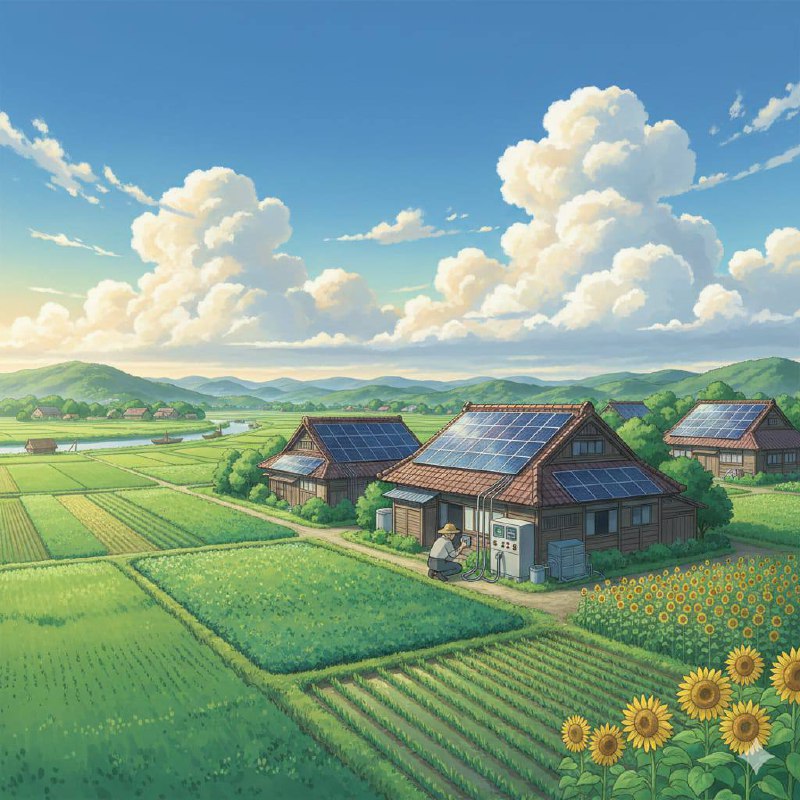
→ Solar energy solutions are becoming increasingly important for farms and rural homes where electricity supply is often limited, unreliable, or expensive. With abundant sunlight available in most rural regions, solar power offers a clean, renewable, and cost-effective alternative to traditional energy sources. From lighting homes to running irrigation pumps and farm equipment, solar systems can meet many daily energy needs. This topic matters because energy costs directly affect farm profitability and household expenses. By adopting solar energy solutions, rural families can reduce electricity bills, improve productivity, and gain energy independence. This guide explains practical solar options and how they can be used effectively in rural settings.
➡️ Key Points / Benefits
→ Reduces dependence on grid electricity and fuel
→ Lowers long-term energy costs for farms and homes
→ Provides reliable power in remote rural areas
→ Supports sustainable and eco-friendly living
→ Improves farm productivity and household comfort
→ Requires low maintenance after installation
🔵 1️⃣ → Understanding Basic Solar Energy Systems
Solar energy systems convert sunlight into usable electricity through solar panels. Understanding the basic components helps rural users choose the right setup for their needs.
Main components include:
- Solar panels to capture sunlight
- Charge controller to regulate power flow
- Batteries to store energy for night use
- Inverter to convert power for household appliances
Step-by-step guidance:
- Assess daily power needs of the home or farm
- Decide between grid-connected or off-grid systems
- Start with a small system and expand gradually
A basic understanding prevents overinvestment and ensures the system matches actual energy requirements.
🔵 2️⃣ → Solar Solutions for Rural Homes
Solar energy can meet many household needs efficiently, even with small systems. Rural homes can benefit greatly from solar lighting and appliances.
Common applications include:
- Solar lights for rooms and outdoor areas
- Solar fans and mobile charging units
- Solar water heaters for daily use
Benefits for households:
- Reliable electricity during power cuts
- Improved safety with proper lighting
- Reduced monthly electricity expenses
Practical tip: prioritize essential appliances first. Avoid running high-power devices unless the system capacity supports them. This ensures stable performance and longer battery life.
🔵 3️⃣ → Solar Power for Agricultural Activities
Farms require energy for irrigation, storage, and daily operations. Solar power can significantly reduce operating costs in agriculture.
Key farm applications:
- Solar water pumps for irrigation
- Solar-powered electric fencing
- Solar dryers for crops and produce
Advantages for farmers:
- No fuel cost for water pumping
- Reliable irrigation during sunny hours
- Increased crop yield with timely watering
Mistakes to avoid include installing pumps without proper capacity planning. Always match pump size with water depth and daily irrigation needs for best results.
🔵 4️⃣ → Cost Planning and Financial Benefits
Although solar systems require initial investment, they offer strong financial benefits over time. Proper planning helps rural families make informed decisions.
Cost planning steps:
- Calculate current electricity or fuel expenses
- Compare system cost with long-term savings
- Explore local subsidies or support programs
Long-term benefits include:
- Payback period of a few years
- Protection from rising energy prices
- Increased property and farm value
Avoid choosing systems only based on low price. Quality components ensure durability, better performance, and lower maintenance costs over the years.
🔵 5️⃣ → Maintenance, Safety, and Best Practices
Solar systems are low-maintenance, but basic care is essential for long-term performance. Regular checks help prevent issues and ensure consistent energy output.
Best practices include:
- Clean solar panels regularly to remove dust
- Check battery water levels if applicable
- Inspect wiring and connections periodically
Dos and don’ts:
- Do place panels where sunlight is unobstructed
- Do not overload the system beyond capacity
- Do keep children away from electrical components
Monitoring energy usage helps optimize performance and extend system life. Simple care ensures reliable service for many years.
➡️ CONCLUSION
→ Solar energy solutions offer a practical and sustainable way to improve life on farms and in rural homes. By understanding basic systems, using solar power for household and agricultural needs, planning costs wisely, and following proper maintenance practices, rural families can enjoy reliable and affordable energy. Solar power reduces dependency on external sources, lowers long-term expenses, and supports environmentally responsible living. With gradual adoption and informed choices, solar energy can transform rural areas into more self-reliant and productive communities while protecting natural resources for the future.