➡️ INTRODUCTION
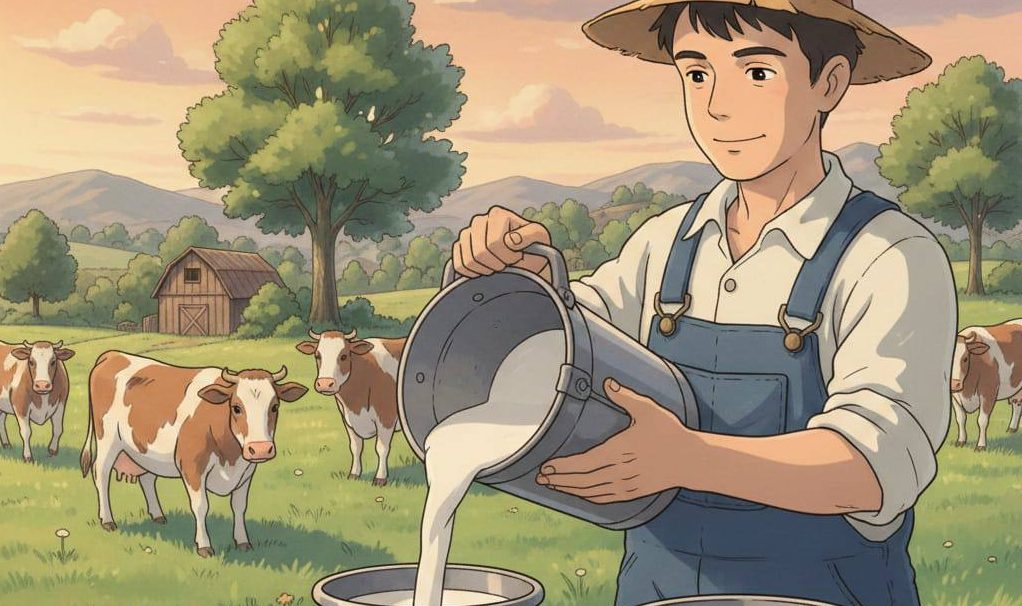
→ Milk quality is not only about quantity; it directly affects animal health, consumer trust, and farm income. For small dairy farms, improving milk quality naturally is a smart and sustainable way to increase profits without relying heavily on chemicals or expensive treatments. High-quality milk has better taste, longer shelf life, and higher market value. Natural practices also reduce veterinary costs and improve the overall well-being of animals. By focusing on nutrition, hygiene, animal comfort, and routine monitoring, small farmers can achieve consistent improvements in milk quality. This guide explains simple, practical, and affordable methods that any small dairy farmer can apply to produce cleaner, healthier, and higher-quality milk.
➡️ Key Points / Benefits
→ Improves milk taste, freshness, and shelf life naturally
→ Reduces disease risk and veterinary expenses
→ Increases milk fat and protein content
→ Builds long-term animal health and productivity
→ Enhances farm reputation and market value
→ Supports sustainable and eco-friendly dairy farming
🔵 1️⃣ → Balanced Nutrition for Better Milk Composition
Proper nutrition is the foundation of high-quality milk. What the animal eats directly affects milk fat, protein levels, and overall cleanliness. Small dairy farms should focus on balanced, natural feed rather than shortcuts.
Key steps to follow:
- Provide good-quality green fodder like grass, lucerne, or maize
- Add dry fodder such as hay or straw to support digestion
- Include natural concentrates like grains, oil cakes, and bran
- Ensure mineral mixtures and common salt are available daily
Avoid sudden changes in feed, as they can reduce milk quality and cause digestive stress. Clean, fresh drinking water should be available at all times. A well-fed animal produces milk that is richer, cleaner, and more consistent in quality.
🔵 2️⃣ → Clean Housing and Comfortable Living Conditions
Clean and comfortable housing plays a major role in natural milk quality improvement. Dirty sheds increase bacterial contamination and stress, which directly affects milk.
Practical housing tips:
- Keep the floor dry and well-drained
- Remove dung and urine at least twice a day
- Use clean bedding material like straw or sand
- Ensure proper ventilation and natural light
Animals kept in clean surroundings are less prone to infections like mastitis. Comfortable animals experience less stress, which improves milk flow and quality. Simple daily cleaning routines can make a big difference without extra cost.
🔵 3️⃣ → Proper Milking Hygiene and Routine
Milking hygiene is one of the most critical factors in milk quality. Even healthy animals can produce contaminated milk if milking practices are poor.
Best practices for hygienic milking:
- Wash hands thoroughly before milking
- Clean the udder and teats with warm water
- Use a clean cloth or towel for each animal
- Discard the first few streams of milk
- Milk at fixed times every day
Avoid loud noise, rough handling, or rushing during milking. Calm animals release milk more easily and with better quality. Simple hygiene steps significantly reduce bacterial load and improve milk safety naturally.
🔵 4️⃣ → Disease Prevention and Natural Health Care
Healthy animals produce better milk. Preventing disease is easier and cheaper than treating it. Natural disease prevention focuses on cleanliness, observation, and timely care.
Important preventive measures:
- Follow a basic vaccination schedule as advised locally
- Observe animals daily for changes in behavior or appetite
- Isolate sick animals immediately
- Use natural remedies where suitable, under guidance
Avoid overuse of antibiotics, as they can leave residues in milk. Early detection of problems like mastitis helps maintain milk quality and prevents production losses. Strong immunity leads to cleaner, healthier milk.
🔵 5️⃣ → Regular Milk Testing and Quality Monitoring
Monitoring milk quality helps farmers understand what is working and what needs improvement. Regular checks ensure consistent standards.
Simple monitoring methods include:
- Checking milk smell, color, and texture daily
- Using basic lactometer tests for purity
- Observing milk fat levels through buyer feedback
- Keeping records of feed, health, and yield
Do not mix milk from sick animals with healthy milk. Clean storage containers thoroughly after each use. Consistent monitoring builds discipline and helps small farmers maintain high milk quality naturally over time.
➡️ CONCLUSION
→ Improving milk quality naturally on small dairy farms is achievable with the right daily practices and mindset. Balanced feeding, clean housing, hygienic milking, disease prevention, and regular monitoring work together to produce healthier and higher-value milk. These methods reduce costs, protect animal health, and improve long-term productivity without harming the environment. Small, consistent actions bring lasting results. By adopting natural and practical approaches, dairy farmers can build trust with buyers, increase income, and create a sustainable future for their farms while delivering safe and high-quality milk to consumers.