➡️ INTRODUCTION
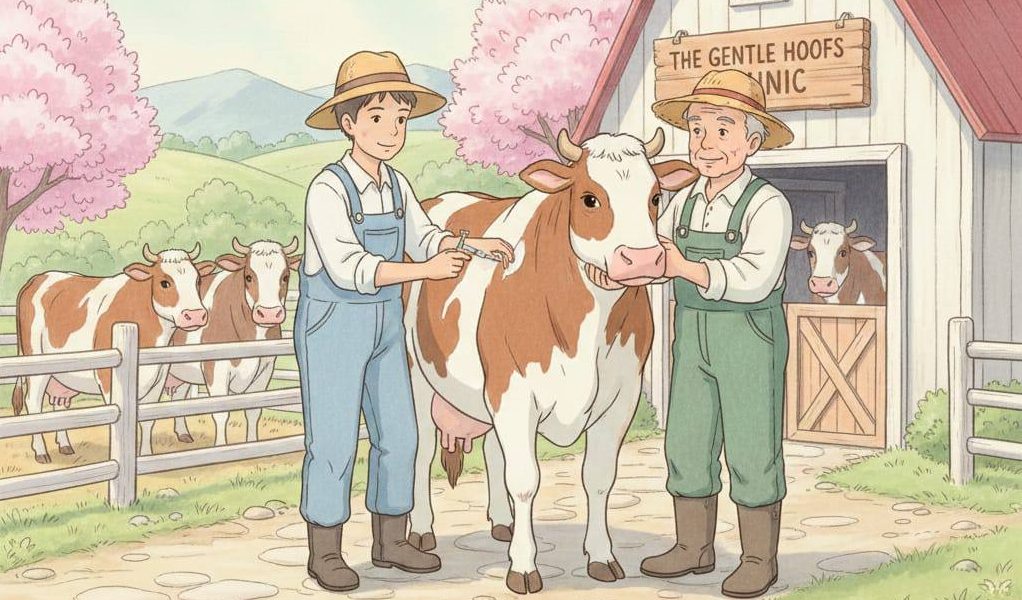
→ Livestock diseases are a major cause of economic loss for farmers due to reduced productivity, treatment costs, and animal mortality. Many of these diseases are preventable if farmers follow a proper vaccination schedule and basic health management practices. Vaccination helps protect animals from serious infectious diseases, improves herd immunity, and ensures stable production of milk, meat, and other livestock products. Understanding common livestock diseases and knowing when to vaccinate animals is essential for every farmer, whether small-scale or commercial. This guide explains common livestock diseases and vaccination schedules in a simple, practical manner, helping farmers maintain healthy animals, reduce risks, and ensure long-term farm profitability.
➡️ Key Points / Benefits
→ Prevents major infectious livestock diseases
→ Reduces mortality and treatment expenses
→ Improves productivity and animal performance
→ Strengthens herd immunity and farm biosecurity
→ Ensures compliance with recommended health practices
→ Supports sustainable and profitable livestock farming
🔵 1️⃣ → Common Infectious Diseases in Livestock
Livestock are vulnerable to various infectious diseases caused by bacteria, viruses, and parasites. These diseases can spread rapidly if not controlled early.
Some common livestock diseases include:
- Foot and Mouth Disease (FMD): Causes fever, mouth sores, and lameness
- Hemorrhagic Septicemia (HS): Sudden fever and high mortality
- Black Quarter (BQ): Muscle swelling and sudden death
- Brucellosis: Affects reproduction and causes abortions
Early symptoms to watch for:
- Loss of appetite
- Fever or weakness
- Reduced milk production
Understanding common diseases helps farmers take timely preventive actions and avoid large-scale outbreaks.
🔵 2️⃣ → Importance of Vaccination in Livestock Health
Vaccination is the most effective and economical way to prevent infectious livestock diseases. It prepares the animal’s immune system to fight specific diseases before exposure occurs.
Key benefits of vaccination:
- Reduces disease occurrence and severity
- Prevents rapid spread within the herd
- Lowers veterinary treatment costs
Practical vaccination tips:
- Vaccinate only healthy animals
- Follow age-specific vaccination guidelines
- Maintain cold chain for vaccine storage
Mistakes to avoid:
- Skipping booster doses
- Vaccinating sick or stressed animals
Regular vaccination builds strong immunity and protects both individual animals and the entire herd.
🔵 3️⃣ → Standard Vaccination Schedule for Livestock
A proper vaccination schedule ensures timely protection against major diseases. While schedules may vary slightly by region, a standard plan is essential.
Common vaccination schedule examples:
- Foot and Mouth Disease: Twice a year
- Hemorrhagic Septicemia: Once a year before rainy season
- Black Quarter: Once a year
- Brucellosis: Once in young female animals
Step-by-step guidance:
- Consult a veterinarian for local disease risks
- Keep written vaccination records
- Schedule boosters in advance
Following a structured schedule ensures continuous protection and avoids missed vaccinations.
🔵 4️⃣ → Biosecurity and Disease Prevention Practices
Vaccination alone is not enough; biosecurity practices help prevent disease entry and spread on farms.
Effective biosecurity measures include:
- Isolating new or sick animals
- Cleaning and disinfecting equipment regularly
- Restricting unnecessary farm visitors
Practical guidance:
- Quarantine new animals for observation
- Maintain clean housing and proper waste disposal
- Control pests and insects
Mistakes to avoid:
- Mixing new animals immediately with the herd
- Sharing equipment without cleaning
Strong biosecurity reduces infection pressure and enhances the effectiveness of vaccination programs.
🔵 5️⃣ → Monitoring Animal Health and Record Keeping
Regular health monitoring helps detect disease problems early and ensures vaccination programs are effective.
Monitoring checklist:
- Observe feeding behavior daily
- Check body condition and movement
- Monitor milk yield and reproductive health
Dos and Don’ts:
- Do keep detailed vaccination and health records
- Do report unusual symptoms to a veterinarian
- Don’t delay treatment or vaccination
- Don’t ignore minor signs of illness
Accurate records support better decision-making and improve long-term livestock management.
➡️ CONCLUSION
→ Common livestock diseases can severely impact farm productivity if not managed properly. Following a well-planned vaccination schedule, combined with good biosecurity and regular health monitoring, is the most effective way to protect animals from infectious diseases. Vaccination reduces mortality, lowers treatment costs, and ensures stable production throughout the year. Farmers who prioritize preventive health care benefit from healthier animals, improved performance, and long-term profitability. By understanding common diseases and adopting proper vaccination and management practices, livestock farmers can build a strong, disease-resistant herd and achieve sustainable farming success.