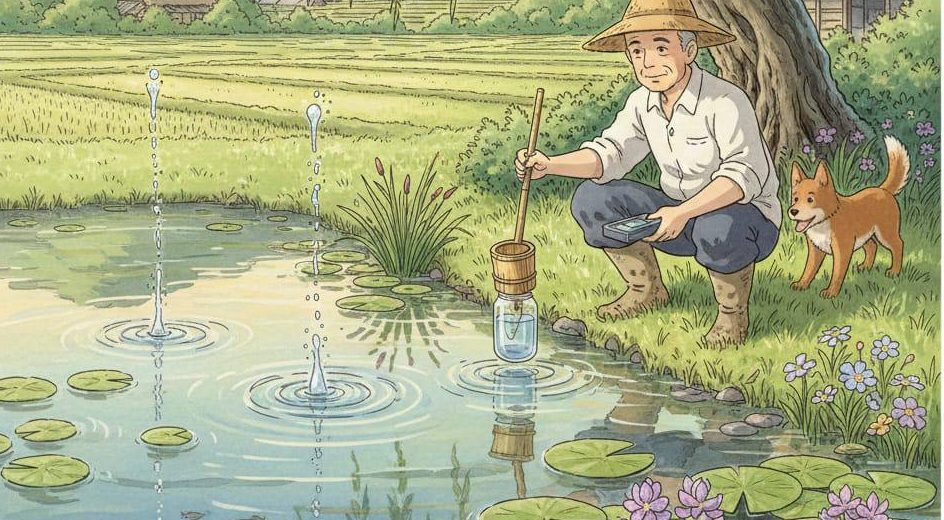
➡️ INTRODUCTION
→ Water quality is the foundation of successful fish farming. No matter how good the fish species or feed quality is, poor water conditions can quickly lead to slow growth, disease outbreaks, and heavy losses. Fish live and breathe in water, so even small changes in water quality directly affect their health and survival. Maintaining proper water parameters helps fish utilize feed efficiently, grow faster, and resist stress and infections. This guide explains how to maintain water quality in fish farming using simple, practical, and proven methods. By following these practices, farmers can reduce mortality, lower production costs, and achieve consistent, profitable results from their fish ponds.
➡️ Key Points / Benefits
→ Improves fish growth and feed conversion efficiency
→ Reduces disease risk and fish mortality
→ Maintains stable pond ecosystem and oxygen levels
→ Prevents water pollution and foul odors
→ Increases overall productivity and profitability
→ Saves costs by avoiding emergency treatments
🔵 1️⃣ → Understanding Important Water Quality Parameters
Maintaining water quality starts with understanding the key parameters that affect fish health. These factors work together and should be monitored regularly to keep the pond environment stable.
The most important parameters include:
- Dissolved oxygen: Essential for fish breathing and metabolism
- pH level: Affects fish stress, growth, and disease resistance
- Water temperature: Influences feeding activity and metabolism
- Ammonia and nitrite: Toxic waste products from fish and feed
Step-by-step guidance:
- Test water at least once a week
- Observe fish behavior daily for stress signs
- Keep records of water readings
Balanced water parameters help fish remain active, healthy, and productive throughout the culture period.
🔵 2️⃣ → Managing Dissolved Oxygen Effectively
Dissolved oxygen is one of the most critical factors in fish farming. Low oxygen levels can cause fish to gasp at the surface, reduce feeding, and even result in sudden mass mortality.
Practical ways to maintain oxygen:
- Use paddle wheel or air aerators, especially at night
- Avoid overstocking fish
- Remove excess organic waste from ponds
Additional tips:
- Maintain proper water depth
- Encourage moderate algae growth, not excessive blooms
- Avoid feeding during low oxygen periods
Common mistakes to avoid:
- Ignoring early signs of oxygen stress
- Overstocking without aeration
Consistent oxygen management ensures healthy fish growth and stable pond conditions.
🔵 3️⃣ → Controlling pH, Ammonia, and Toxic Gases
Unstable pH levels and toxic gases like ammonia can silently damage fish health. These problems often arise from overfeeding, waste accumulation, and poor water exchange.
Actionable steps for control:
- Maintain pH between suitable ranges for your fish species
- Apply agricultural lime to stabilize pH when required
- Reduce feed quantity if ammonia levels rise
Monitoring tips:
- Test ammonia and pH regularly
- Observe water color and odor
- Check pond bottom conditions
Avoid these mistakes:
- Applying chemicals without testing water
- Ignoring sudden pH changes after rain
Proper control of pH and toxins keeps fish stress-free and reduces disease risk.
🔵 4️⃣ → Water Exchange and Pond Cleanliness
Regular water exchange helps dilute waste, maintain oxygen levels, and improve overall water quality. However, excessive or unplanned water exchange can also stress fish.
Best practices for water exchange:
- Replace small amounts of water regularly instead of full drainage
- Use clean, filtered water sources
- Avoid sudden temperature or pH changes
Pond cleanliness tips:
- Remove uneaten feed and dead fish promptly
- Control excessive aquatic weeds
- Prevent runoff of fertilizers or chemicals into ponds
Maintaining a clean pond environment supports natural biological processes and keeps water quality stable throughout the farming cycle.
🔵 5️⃣ → Daily Monitoring and Preventive Management
Daily observation is one of the simplest yet most powerful tools in maintaining water quality. Fish behavior often provides the first warning signs of water-related problems.
Daily monitoring checklist:
- Observe feeding response
- Check water color and clarity
- Look for fish gasping or unusual movement
Dos and don’ts:
- Do keep a water quality logbook
- Do adjust feeding based on weather and fish behavior
- Don’t ignore sudden changes in fish activity
- Don’t delay corrective actions
Preventive management helps farmers respond early, avoid losses, and maintain a balanced pond ecosystem.
➡️ CONCLUSION
→ Maintaining water quality in fish farming is not a one-time task but a continuous process that directly determines success or failure. By understanding key water parameters, managing oxygen levels, controlling toxins, practicing proper water exchange, and monitoring ponds daily, farmers can create a healthy environment for fish growth. Good water quality reduces disease, improves feed efficiency, and increases overall productivity. Consistent attention to water conditions helps farmers prevent problems before they arise and ensures sustainable, profitable fish farming. Following these practical practices leads to healthier fish and long-term farming success.