➡️ INTRODUCTION
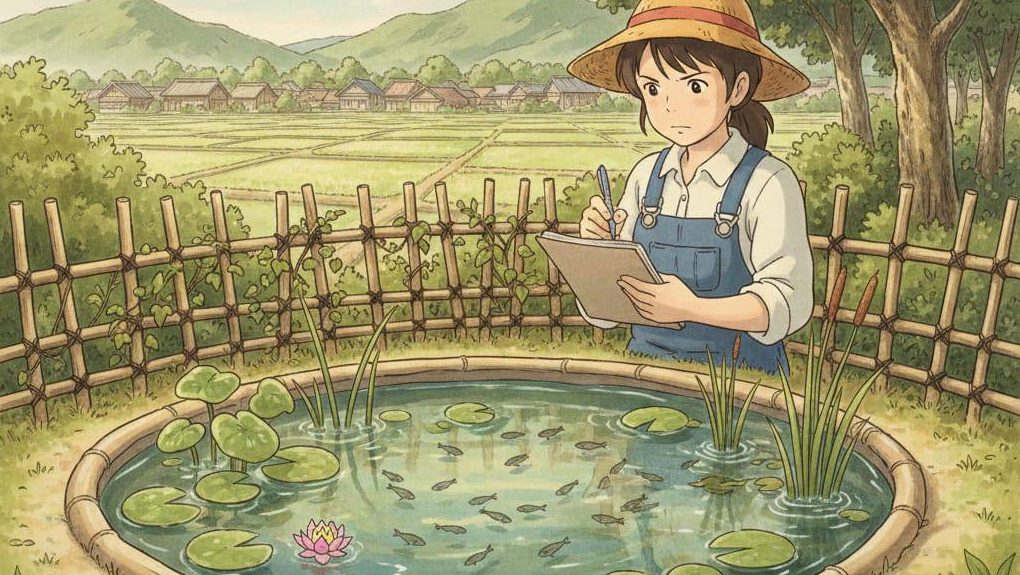
→ Fish farming is one of the fastest-growing agricultural activities worldwide, offering a reliable source of income and nutritious food. For beginners, fish farming can be started on a small scale with limited investment and gradually expanded as experience grows. With proper planning, species selection, and daily management, it can become a profitable and sustainable business. This step-by-step guide is designed to help beginners understand the basics of fish farming, avoid common mistakes, and build a strong foundation. By following practical methods and scientific practices, readers can increase survival rates, reduce costs, and achieve better growth and market returns from their fish farming venture.
➡️ Key Points / Benefits
→ Requires relatively low land and water compared to other farming activities
→ Provides fast returns due to short fish growth cycles
→ Offers high demand and stable market prices
→ Can be started on a small scale and expanded gradually
→ Utilizes unused ponds, tanks, or water resources efficiently
→ Supports food security and local employment opportunities
🔵 1️⃣ → Understanding Fish Farming Basics
Fish farming, also known as aquaculture, involves raising fish in controlled water bodies such as ponds, tanks, or cages for commercial purposes. Before starting, beginners should clearly understand how fish grow, what they eat, and how water quality affects their health.
Key basics include:
- Selecting a suitable water source (pond, borewell, canal, or tank)
- Knowing the difference between freshwater and brackish water farming
- Understanding stocking density and growth cycles
- Learning basic fish behavior and feeding habits
Starting with clear knowledge helps reduce losses and improves planning. Beginners should also learn local regulations and market demand before investing, ensuring the farm aligns with available resources and consumer needs.
🔵 2️⃣ → Choosing the Right Fish Species
Selecting the correct fish species is one of the most important steps in profitable fish farming. Beginners should always choose species that grow fast, resist diseases, and have strong local demand.
Popular beginner-friendly species include:
- Rohu, Catla, and Mrigal for freshwater ponds
- Tilapia for fast growth and easy management
- Common carp for mixed culture systems
- Pangasius for commercial-scale production
When choosing species, consider:
- Water temperature and quality
- Availability of quality fingerlings
- Market price and consumer preference
Avoid experimenting with too many species initially. Start with one or two well-known varieties to gain experience and reduce risk.
🔵 3️⃣ → Pond Preparation and Water Management
Proper pond preparation directly affects fish growth and survival. A poorly prepared pond can lead to disease outbreaks, slow growth, and financial losses.
Steps for pond preparation include:
- Removing weeds, predators, and unwanted fish
- Drying the pond bottom to kill harmful organisms
- Applying lime to balance water pH
- Filling the pond with clean, filtered water
Water management tips:
- Maintain optimal water depth
- Monitor color and transparency regularly
- Ensure adequate oxygen levels
Beginners should regularly check water parameters such as pH, dissolved oxygen, and temperature. Good water quality reduces stress on fish and improves feed efficiency.
🔵 4️⃣ → Feeding Practices and Daily Care
Feed accounts for the largest portion of fish farming costs, so proper feeding is essential for profitability. Fish need balanced nutrition for fast and healthy growth.
Best feeding practices include:
- Using quality commercial or farm-made feed
- Feeding fish 2–3 times daily at fixed times
- Adjusting feed quantity based on fish size and season
- Avoiding overfeeding to prevent water pollution
Daily care also involves:
- Observing fish behavior during feeding
- Removing leftover feed if necessary
- Checking for signs of stress or disease
Consistent feeding schedules and observation help detect problems early, saving time and money in the long run.
🔵 5️⃣ → Health Management, Harvesting, and Profit Planning
Fish health management is crucial for long-term success. Beginners often face losses due to diseases caused by poor water quality or improper handling.
Health management tips:
- Stock healthy, disease-free fingerlings
- Avoid overcrowding
- Maintain clean water conditions
- Isolate sick fish immediately
Harvesting should be planned based on market size and demand. Partial harvesting allows continuous income while reducing biomass pressure in the pond.
For profitability:
- Keep records of costs, feed usage, and growth rates
- Monitor market prices regularly
- Plan harvesting during high-demand periods
Proper planning ensures steady income and sustainable farm growth.
➡️ CONCLUSION
→ Fish farming for beginners can be a rewarding and profitable venture when approached with the right knowledge and discipline. By understanding basic concepts, choosing suitable species, preparing ponds properly, maintaining water quality, and following balanced feeding and health practices, beginners can significantly reduce risks and increase returns. Starting small, learning from experience, and gradually expanding the operation is the best strategy for long-term success. With consistent monitoring and market awareness, fish farming not only provides financial benefits but also contributes to food security and sustainable agriculture. Following these step-by-step practices helps beginners build a strong and profitable foundation in fish farming.