➡️ INTRODUCTION
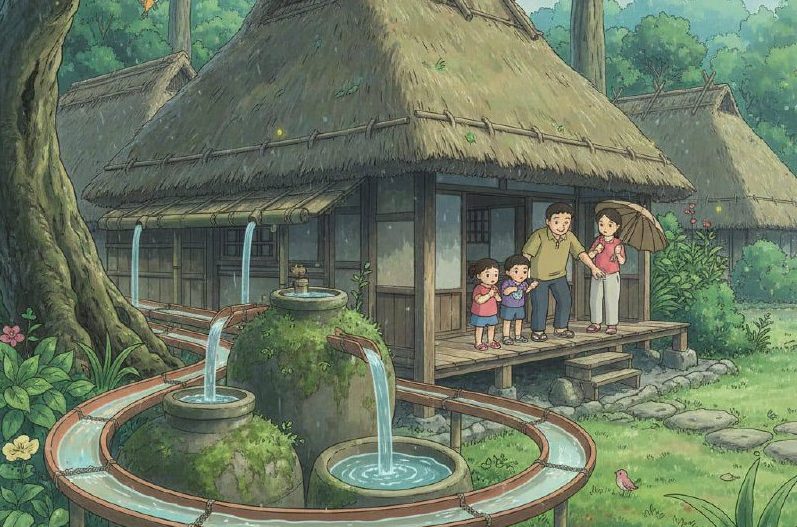
→ Water is one of the most valuable resources for rural households, yet it is often wasted due to lack of awareness and proper planning. In many villages, water availability depends on rainfall, wells, ponds, or hand pumps, making conservation even more important. Water-saving techniques help families manage limited water supplies, reduce daily shortages, and lower costs related to fetching or pumping water. Simple changes in daily habits and household systems can make a big difference over time. This guide explains practical and affordable water-saving methods that every rural household can adopt easily. By following these techniques, families can ensure water security, support agriculture, and protect resources for future generations.
➡️ Key Points / Benefits
→ Reduces daily water wastage at home
→ Improves availability of water during dry seasons
→ Lowers time and effort spent on fetching water
→ Supports kitchen gardening and livestock needs
→ Protects groundwater levels and local water sources
→ Promotes long-term water security for families
🔵 1️⃣ → Rainwater Harvesting for Household Use
Rainwater harvesting is one of the most effective and low-cost water-saving techniques for rural homes. It involves collecting and storing rainwater from rooftops or open areas for later use.
Step-by-step guidance:
- Install gutters along the roof edges
- Direct rainwater into a storage tank, drum, or underground pit
- Use a simple filter to remove leaves and dirt
Collected rainwater can be used for:
- Washing clothes and utensils
- Cleaning homes and animal shelters
- Irrigating kitchen gardens
Avoid letting water stagnate in open containers, as it can attract insects. Proper storage keeps water clean and usable for longer periods.
🔵 2️⃣ → Efficient Use of Water in Daily Activities
Small daily habits play a major role in reducing water wastage. Many rural households lose large amounts of water during bathing, washing, and cleaning without realizing it.
Practical tips include:
- Use buckets instead of running taps for bathing
- Turn off taps while scrubbing utensils or clothes
- Reuse water from washing vegetables for plants
Benefits of these practices:
- Saves several liters of water each day
- Reduces strain on wells and hand pumps
- Encourages mindful water use among family members
Common mistakes include leaving taps open or using excess water out of habit. Awareness and discipline are key to long-term savings.
🔵 3️⃣ → Kitchen Garden Water Management
Kitchen gardens provide fresh vegetables but can consume a lot of water if not managed properly. Smart irrigation methods help save water while keeping plants healthy.
Actionable tips:
- Water plants early in the morning or late evening
- Use drip irrigation or perforated pipes if possible
- Mulch soil with dry leaves or straw to retain moisture
Advantages of good water management:
- Reduces evaporation losses
- Improves plant growth with less water
- Allows reuse of household wastewater safely
Avoid overwatering, as it damages roots and wastes water. Controlled and timely watering ensures better yields with minimal water use.
🔵 4️⃣ → Reuse of Greywater in Rural Homes
Greywater is wastewater from activities like washing clothes, bathing, or cleaning utensils. When reused carefully, it can significantly reduce freshwater consumption.
How to reuse greywater safely:
- Collect water separately from clean and dirty sources
- Avoid water mixed with strong chemicals or detergents
- Use it for flushing, cleaning floors, or watering trees
Dos and don’ts:
- Do use mild soaps to reduce harm to plants
- Do not store greywater for long periods
- Do not use it on edible plant leaves
Proper reuse reduces overall water demand and makes better use of available resources.
🔵 5️⃣ → Protecting and Maintaining Local Water Sources
Local water sources such as wells, ponds, and hand pumps need regular care to ensure long-term availability. Neglect often leads to contamination and reduced water levels.
Step-by-step maintenance advice:
- Keep surroundings clean and free from waste
- Prevent animals from entering water sources
- Repair leaks and damaged structures promptly
Monitoring tips:
- Check water levels regularly, especially before summer
- Observe changes in water quality or taste
- Encourage community participation in maintenance
Ignoring small issues can lead to major water loss. Collective responsibility helps protect shared water resources for everyone.
➡️ CONCLUSION
→ Water-saving techniques are essential for every rural household to ensure a secure and sustainable future. Simple practices like rainwater harvesting, efficient daily use, garden water management, greywater reuse, and protection of local sources can greatly reduce water wastage. These methods do not require high investment but offer long-term benefits such as improved water availability, reduced effort, and better resilience during dry seasons. By adopting these practical techniques and teaching them to future generations, rural families can protect their water resources and build a more stable and self-reliant way of life.