➡️ INTRODUCTION
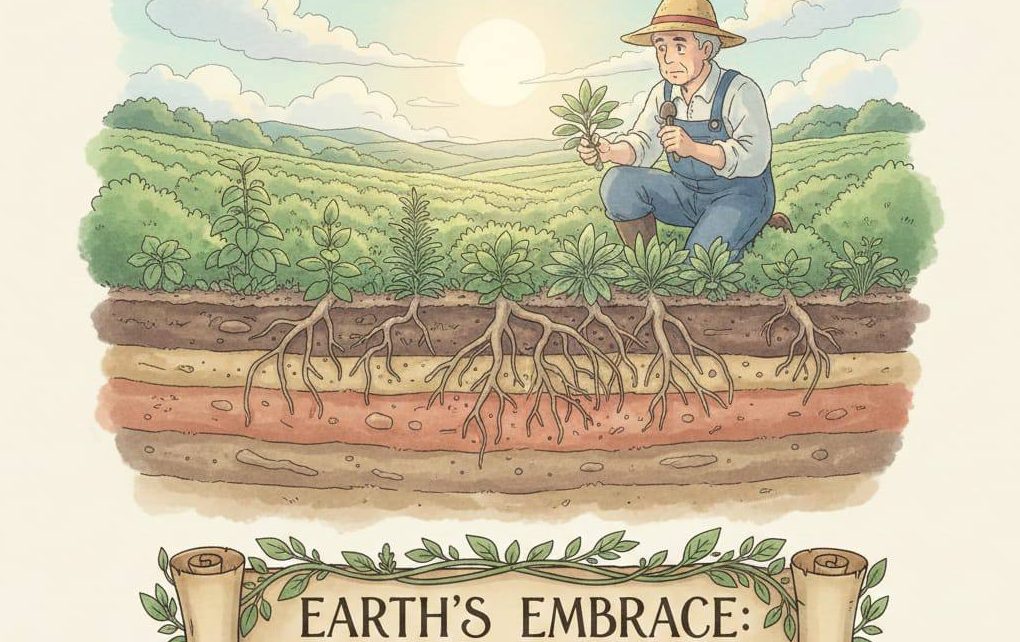
→ Herbal plant cultivation is gaining significant attention worldwide due to the increasing demand for natural remedies, herbal medicines, and wellness products. For successful cultivation, understanding soil and climate requirements is crucial, as these factors directly influence plant growth, quality, and yield. Selecting the right soil type, maintaining appropriate pH levels, and providing optimal climatic conditions can significantly enhance the potency of herbal plants. Farmers and herbal growers can benefit from this knowledge by ensuring healthier crops, reducing losses, and achieving higher profitability. By mastering soil and climate management, growers can establish sustainable herbal farming practices that are both environmentally friendly and economically rewarding.
➡️ Key Points / Benefits
→ Proper soil selection ensures better root development and nutrient uptake.
→ Suitable climatic conditions improve growth rate and medicinal quality.
→ Reduces risk of crop diseases caused by unsuitable environment.
→ Enhances yield and market value of herbal plants.
→ Saves costs by optimizing water use and fertilizer application.
→ Supports sustainable and eco-friendly farming practices.
🔵 1️⃣ → Understanding Soil Types for Herbal Plants
Herbal plants require specific soil conditions to thrive. Most herbs prefer well-drained, loamy soils rich in organic matter. Sandy loam is ideal for plants like Aloe vera, while clay loam suits plants such as Ashwagandha.
Practical tips:
- Test soil texture before planting.
- Incorporate organic compost to improve fertility.
- Ensure proper drainage to prevent waterlogging, which can damage roots.
- Adjust soil pH between 6.0–7.5 for optimal growth.
Benefits:
- Proper soil selection promotes strong root systems.
- Enhances nutrient absorption, leading to higher-quality medicinal plants.
🔵 2️⃣ → Soil Fertility and Nutrient Management
Herbal plants need balanced nutrients for active growth and potency. Fertile soils with essential macronutrients like nitrogen, phosphorus, and potassium are vital.
Guidelines:
- Conduct soil tests to identify nutrient deficiencies.
- Apply organic fertilizers such as compost, manure, or vermicompost.
- Use micronutrients like iron, zinc, and manganese where necessary.
- Avoid excessive chemical fertilizers that can harm soil microorganisms.
Advantages:
- Nutrient-rich soil improves herb quality and yield.
- Reduces disease susceptibility and promotes sustainable farming.
🔵 3️⃣ → Climate Requirements for Herbal Plants
Climate plays a crucial role in the growth and chemical composition of herbal plants. Most herbs require moderate temperatures, adequate sunlight, and controlled humidity.
Step-by-step guidance:
- Identify the temperature range suitable for each plant species (e.g., Tulsi prefers 20–35°C).
- Ensure sufficient sunlight, usually 4–6 hours per day.
- Maintain proper humidity levels to prevent fungal infections.
- Use greenhouses or shade nets for sensitive plants in extreme climates.
Benefits:
- Suitable climatic conditions enhance the medicinal properties of herbs.
- Reduces stress on plants, improving overall yield and market value.
🔵 4️⃣ → Water Management and Irrigation
Adequate water supply is essential for herbal plant health. Overwatering can lead to root rot, while under-watering can stunt growth.
Practical tips:
- Use drip irrigation for precise water delivery.
- Schedule watering based on soil moisture and plant requirements.
- Mulch around plants to retain moisture and regulate soil temperature.
- Avoid wetting foliage to reduce fungal diseases.
Advantages:
- Efficient water use lowers costs and conserves resources.
- Promotes stronger, healthier plants with higher active compounds.
🔵 5️⃣ → Monitoring and Adjusting Soil and Climate Conditions
Continuous monitoring ensures herbal plants grow under optimal conditions. Early detection of soil or climate issues prevents crop loss and maintains quality.
Step-by-step advice:
- Regularly check soil pH, moisture, and nutrient levels.
- Adjust irrigation, shade, or ventilation based on weather conditions.
- Observe plants for signs of stress such as yellowing leaves or slow growth.
- Rotate crops and enrich soil periodically to maintain fertility.
Dos and Don’ts:
- Do maintain records of soil tests and irrigation schedules.
- Don’t ignore signs of nutrient deficiency or pest infestations.
➡️ CONCLUSION
→ Understanding soil and climate requirements is fundamental for successful herbal plant cultivation. Selecting the right soil type, maintaining nutrient balance, providing optimal climate conditions, and ensuring efficient water management can dramatically improve plant growth, yield, and medicinal quality. Regular monitoring and timely adjustments allow farmers to reduce losses, enhance profitability, and produce high-demand herbal crops. By following these practices, growers can establish sustainable, eco-friendly herbal farming systems that meet global market demand while contributing to a healthier environment. Investing time in proper soil and climate management ensures long-term success in herbal cultivation.