➡️ INTRODUCTION
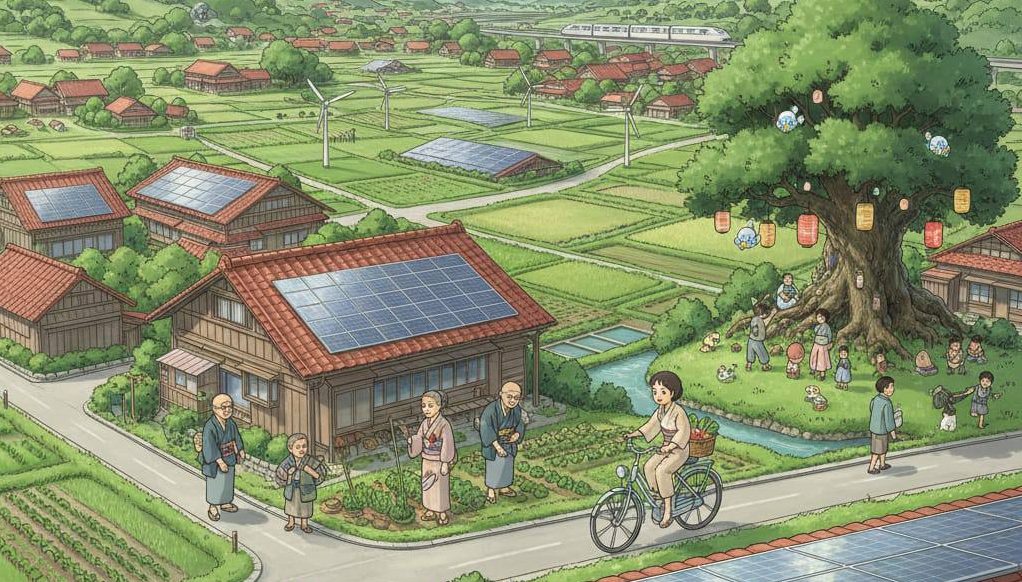
→ Smart rural living focuses on improving village life by combining traditional knowledge with modern, practical techniques. As rural areas face challenges such as limited income opportunities, access to services, and migration to cities, adopting smarter solutions has become essential. Modern rural techniques help villages become self-reliant, healthier, and more productive without losing their cultural values. From better farming methods and clean energy to digital connectivity and skill development, smart rural living improves quality of life for families and communities. By understanding and applying these approaches, villagers can increase income, reduce daily hardships, and create a balanced lifestyle that supports both economic growth and environmental sustainability.
➡️ Key Points / Benefits
→ Improves income opportunities within villages
→ Enhances access to education, healthcare, and services
→ Reduces migration to cities by creating local jobs
→ Promotes sustainable use of natural resources
→ Improves health, hygiene, and living standards
→ Strengthens community cooperation and self-reliance
🔵 1️⃣ → Smart Agriculture and Livelihood Practices
Modern agricultural techniques play a major role in improving rural life. Smart agriculture focuses on increasing productivity while reducing costs and environmental impact. Villagers can adopt simple improvements without heavy investment.
Practical steps include:
- Using soil testing to apply the right amount of fertilizer
- Practicing crop rotation and mixed farming to reduce risk
- Adopting drip or sprinkler irrigation to save water
- Integrating livestock, poultry, or fish farming for extra income
Avoid overuse of chemicals, as it damages soil health and increases expenses. By combining traditional farming wisdom with modern practices, rural families can improve yields, stabilize income, and protect natural resources.
🔵 2️⃣ → Clean Energy and Resource Management
Access to reliable and affordable energy improves daily life in villages. Clean energy solutions reduce dependence on costly fuels and improve environmental health.
Effective clean energy options include:
- Solar panels for lighting, water pumps, and small appliances
- Biogas plants using animal waste for cooking fuel
- Improved cookstoves to reduce smoke and fuel consumption
Water harvesting and proper waste management further enhance rural living. Simple rainwater storage systems ensure water availability during dry seasons. Responsible resource management lowers expenses, improves health, and creates a cleaner village environment for future generations.
🔵 3️⃣ → Digital Connectivity and Education Access
Digital tools are transforming rural communities by connecting them to information, services, and markets. Even basic digital access can significantly improve village life.
Key digital improvements include:
- Using mobile phones for market price updates and weather alerts
- Accessing online education and skill training programs
- Using digital payments to reduce cash handling risks
- Connecting with government services through online portals
Mistakes to avoid include ignoring digital safety or relying on unverified information. With proper guidance, digital literacy empowers villagers, supports youth education, and opens new opportunities without leaving their hometowns.
🔵 4️⃣ → Health, Sanitation, and Community Well-Being
Good health is essential for productive rural living. Modern techniques in health and sanitation prevent disease and reduce medical expenses.
Important practices include:
- Using clean drinking water and basic filtration methods
- Building and maintaining hygienic toilets
- Practicing waste segregation and composting
- Encouraging regular health checkups and vaccinations
Community participation is crucial for success. Clean surroundings reduce illness, improve work efficiency, and create a safer environment for children and elderly people. Healthy villages are more resilient and better prepared for long-term development.
🔵 5️⃣ → Skill Development and Local Entrepreneurship
Skill development helps villagers create income opportunities without migrating to cities. Small-scale enterprises strengthen the local economy and promote self-reliance.
Step-by-step approach to local entrepreneurship:
- Identify local needs such as food processing, repair services, or crafts
- Learn skills through workshops or training programs
- Start small with limited investment and gradual expansion
- Maintain basic records of costs, income, and profits
Do not rush into large investments without experience. Supporting local businesses keeps money within the village, creates jobs, and builds confidence among rural youth and women.
➡️ CONCLUSION
→ Smart rural living is about making village life more comfortable, productive, and sustainable using practical modern techniques. By improving agriculture, adopting clean energy, embracing digital tools, ensuring good health practices, and promoting local skills, villages can grow without losing their identity. These approaches reduce dependency, increase income, and improve overall well-being. Small, consistent steps and community cooperation are key to success. When rural communities adopt smart living practices, they create a strong foundation for a healthier, more secure, and prosperous future for everyone.