➡️ INTRODUCTION
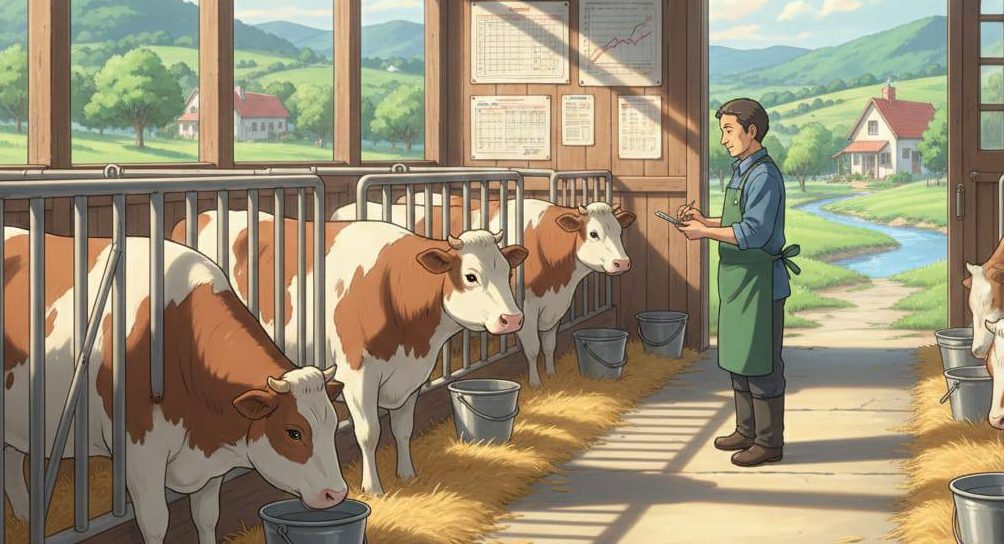
→ Scientific cattle management is the backbone of profitable dairy farming and higher milk production. Traditional practices alone are no longer sufficient to meet rising demand, increasing costs, and animal health challenges. Scientific management focuses on balanced nutrition, proper housing, health care, breeding, and daily monitoring to improve both milk yield and animal welfare. When cattle are managed scientifically, they remain healthier, reproduce efficiently, and produce milk consistently over a longer period. This guide explains proven cattle management practices in a simple and practical way. By following these methods, dairy farmers can reduce losses, improve productivity, and increase income while maintaining sustainable and ethical livestock farming systems.
➡️ Key Points / Benefits
→ Improves milk yield and milk quality
→ Reduces disease incidence and treatment costs
→ Enhances reproductive efficiency and herd performance
→ Increases lifespan and productivity of cattle
→ Optimizes feed utilization and reduces wastage
→ Ensures sustainable and profitable dairy farming
🔵 1️⃣ → Balanced Nutrition and Scientific Feeding
Proper nutrition is the most important factor influencing milk yield. Cattle require a balanced diet that meets their energy, protein, mineral, and vitamin needs based on age, body weight, and milk production level.
Key feeding practices include:
- Providing green fodder, dry fodder, and concentrate in correct proportion
- Supplying clean drinking water at all times
- Using mineral mixtures and salt regularly
Scientific feeding tips:
- Adjust feed quantity according to milk yield
- Avoid sudden changes in diet
- Feed at fixed times daily
Common mistake to avoid:
- Overfeeding concentrates without sufficient roughage
Balanced feeding improves digestion, enhances milk production, and maintains overall animal health.
🔵 2️⃣ → Proper Housing and Comfortable Environment
Comfortable housing reduces stress and helps cattle express their full milk-producing potential. Poor housing conditions often lead to reduced feed intake, illness, and lower milk yield.
Essential housing features:
- Well-ventilated and clean sheds
- Proper drainage to keep floors dry
- Adequate space for resting and movement
Practical housing guidelines:
- Protect animals from extreme heat, cold, and rain
- Maintain clean bedding materials
- Ensure sufficient sunlight and airflow
Benefits of good housing:
- Reduced disease risk
- Better feed efficiency
- Improved milk let-down
A stress-free environment helps cattle remain calm, healthy, and productive throughout the lactation period.
🔵 3️⃣ → Health Care, Vaccination, and Disease Prevention
Healthy cattle produce more milk consistently. Scientific health management focuses on prevention rather than treatment.
Key health practices include:
- Regular vaccination as per veterinary schedule
- Deworming at recommended intervals
- Routine health check-ups
Actionable tips:
- Observe animals daily for signs of illness
- Isolate sick animals immediately
- Maintain hygiene during milking
Mistakes to avoid:
- Ignoring minor symptoms
- Delaying veterinary consultation
Preventive health care reduces mortality, lowers medical expenses, and ensures uninterrupted milk production in dairy herds.
🔵 4️⃣ → Scientific Breeding and Reproductive Management
Efficient reproduction is essential for sustained milk production. Scientific breeding practices help maintain genetic quality and reduce calving intervals.
Important breeding practices:
- Timely heat detection
- Use of artificial insemination with quality semen
- Maintaining proper body condition score
Practical guidance:
- Record breeding and calving dates
- Avoid breeding underweight or sick animals
- Provide extra nutrition during pregnancy
Advantages:
- Improved genetic traits
- Higher lifetime milk yield
- Reduced reproductive disorders
Proper reproductive management ensures regular calving and consistent milk supply.
🔵 5️⃣ → Milking Management and Record Keeping
Scientific milking practices directly affect milk quantity and quality. Improper milking can lead to infections and reduced yield.
Best milking practices include:
- Milking at fixed times daily
- Cleaning udders before and after milking
- Using proper milking techniques
Monitoring tips:
- Keep daily milk yield records
- Track feed intake and health status
- Identify low-producing animals early
Dos and Don’ts:
- Do maintain clean milking equipment
- Do handle animals gently
- Don’t rush the milking process
- Don’t ignore record analysis
Accurate records help farmers make informed management decisions and improve overall farm efficiency.
➡️ CONCLUSION
→ Scientific cattle management practices play a vital role in achieving higher milk yield and long-term dairy farm success. Balanced nutrition, comfortable housing, preventive health care, efficient breeding, and proper milking management work together to enhance productivity and animal well-being. These practices reduce costs, improve milk quality, and ensure consistent income for farmers. Adopting scientific methods does not require large investments but demands discipline, observation, and proper planning. Farmers who follow these proven practices can build a healthy, productive herd and achieve sustainable growth in the dairy sector while maintaining ethical and efficient cattle management systems.