➡️ INTRODUCTION
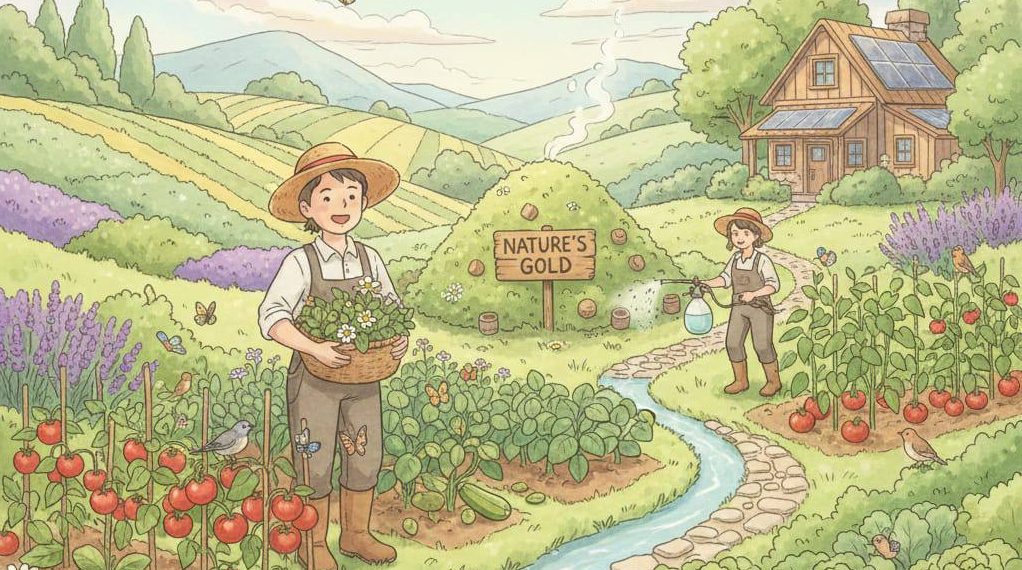
→ Organic cultivation of medicinal plants is rapidly gaining popularity due to the rising demand for chemical-free, high-quality herbal products. Using natural methods to grow these plants not only ensures healthier crops but also preserves the soil ecosystem and enhances the potency of active compounds. For farmers and herbal growers, understanding organic practices can lead to better yield, improved market value, and long-term sustainability. By avoiding synthetic fertilizers and pesticides, growers protect both the environment and consumers, while reducing production costs. Implementing organic techniques helps establish a reputation for quality, ensures compliance with organic certifications, and supports a profitable, eco-friendly herbal farming business.
➡️ Key Points / Benefits
→ Organic methods increase the medicinal quality and potency of plants.
→ Reduce environmental damage and maintain soil fertility.
→ Lower long-term costs by avoiding chemical fertilizers and pesticides.
→ Promote sustainable and eco-friendly farming practices.
→ Improve marketability of herbs with “organic” certification.
→ Minimize health risks for both farmers and consumers.
🔵 1️⃣ → Choosing the Right Soil and Site for Organic Cultivation
The foundation of organic medicinal plant farming is healthy soil. Soil rich in organic matter, well-drained, and slightly acidic to neutral pH (6–7.5) is ideal for most herbs.
Practical steps:
- Select a site with good sunlight exposure and proper drainage.
- Test soil for texture, nutrients, and pH before planting.
- Enhance fertility using organic compost, green manure, or well-rotted farmyard manure.
- Avoid previously chemically treated soils for at least 2–3 years.
Benefits:
- Healthy soil promotes strong root systems and higher yields.
- Maintains long-term soil fertility and reduces dependency on synthetic inputs.
🔵 2️⃣ → Using Organic Fertilizers and Nutrient Sources
Nutrient management is essential for vigorous growth and medicinal quality. Organic fertilizers such as compost, vermicompost, neem cake, and bone meal provide slow-release nutrients without harming the ecosystem.
Guidelines:
- Conduct soil tests to determine nutrient requirements.
- Apply compost or vermicompost as a base before planting.
- Use neem cake or poultry manure for nitrogen supply.
- Rotate crops or use intercropping to naturally replenish soil nutrients.
Advantages:
- Enhances soil microbial activity and organic matter content.
- Produces healthier plants with potent bioactive compounds.
🔵 3️⃣ → Natural Pest and Disease Management
Organic cultivation relies on preventive and natural methods to manage pests and diseases instead of chemical pesticides.
Step-by-step guidance:
- Monitor crops regularly for signs of infestation or disease.
- Introduce beneficial insects such as ladybugs and predatory mites.
- Use neem oil, garlic extract, or turmeric paste as natural repellents.
- Practice crop rotation and intercropping to reduce pest pressure.
- Remove infected plant parts promptly to prevent spread.
Benefits:
- Reduces chemical residues on herbs, making them safer for consumption.
- Preserves beneficial insects and maintains ecological balance.
🔵 4️⃣ → Water Management and Mulching Techniques
Proper irrigation and moisture retention are critical in organic farming. Water stress can affect plant growth and medicinal quality, while excess water encourages disease.
Practical tips:
- Use drip irrigation or soaker hoses to minimize water waste.
- Apply organic mulches like straw, dry leaves, or wood chips to conserve moisture.
- Avoid wetting foliage during watering to prevent fungal infections.
- Schedule watering based on soil moisture and plant stage.
Advantages:
- Conserves water and reduces irrigation costs.
- Promotes healthy growth and prevents stress-related loss of active compounds.
🔵 5️⃣ → Harvesting and Post-Harvest Handling in Organic Farming
Harvesting at the correct time ensures maximum potency of medicinal compounds. Proper post-harvest handling preserves quality and extends shelf life.
Step-by-step guidance:
- Harvest leaves, stems, or roots during the optimal growth stage for highest medicinal value.
- Use clean, sanitized tools to avoid contamination.
- Dry plant material under shade with good airflow to retain bioactive compounds.
- Store dried herbs in airtight containers away from sunlight and moisture.
Dos and Don’ts:
- Do follow organic handling procedures to maintain certification standards.
- Don’t use chemical preservatives or synthetic drying agents.
Benefits:
- Maintains high quality and efficacy of herbal products.
- Ensures marketability as certified organic produce.
➡️ CONCLUSION
→ Growing medicinal plants organically ensures healthier crops, higher potency, and sustainable farming practices. By focusing on organic soil management, natural fertilizers, eco-friendly pest control, efficient water use, and careful harvesting, growers can produce high-quality herbs that meet global demand. Organic methods also enhance soil fertility, conserve biodiversity, and reduce production costs, creating long-term economic and environmental benefits. Farmers adopting these techniques can secure a competitive edge, achieve better market prices, and contribute to environmentally responsible herbal cultivation. Following these organic practices lays the foundation for a profitable, sustainable, and health-conscious herbal farming venture.