➡️ INTRODUCTION
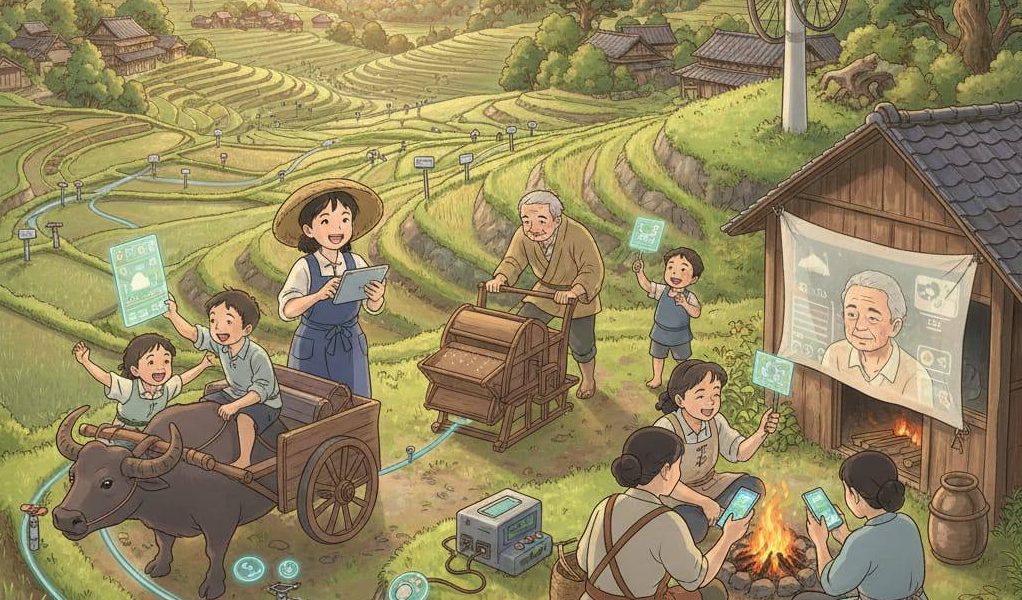
→ Technology is rapidly transforming modern village life by improving access to information, services, and opportunities that were once limited to urban areas. From smartphones and internet connectivity to modern farming tools and digital services, technology is helping rural communities overcome traditional challenges. This transformation matters because it directly improves education, healthcare, income generation, and overall quality of life. When used correctly, technology reduces isolation, increases productivity, and empowers villagers to make informed decisions. This guide explains how different technologies are shaping village life today and how rural households can benefit by adopting them thoughtfully and practically.
➡️ Key Points / Benefits
→ Improves access to education, health, and government services
→ Increases farm productivity and income opportunities
→ Saves time, labor, and operational costs
→ Connects villages to markets and information networks
→ Encourages skill development and self-employment
→ Enhances overall quality of rural living
🔵 1️⃣ → Digital Connectivity and Communication
Digital connectivity is one of the most visible changes in modern village life. Mobile phones and affordable internet services have brought villages closer to the rest of the world.
Key improvements include:
- Easy communication with family, traders, and service providers
- Access to online information, news, and learning resources
- Use of messaging apps for community coordination
Practical tips:
- Choose basic smartphones with long battery life
- Learn essential digital skills such as messaging and online searches
- Use shared internet points or community centers if available
Reliable communication helps villagers save travel time, access opportunities faster, and stay informed about important updates.
🔵 2️⃣ → Technology in Agriculture and Farming
Modern technology has changed how farming is practiced in villages. Simple tools and digital platforms now support better decision-making and higher yields.
Examples of agricultural technology:
- Mobile apps for weather forecasts and crop advice
- Drip irrigation and automated watering systems
- Soil testing kits and improved farming equipment
Benefits for farmers:
- Better planning based on weather and soil data
- Reduced water and fertilizer wastage
- Improved crop quality and income
Mistakes to avoid include relying on technology without understanding it fully. Farmers should combine traditional knowledge with modern tools for best results.
🔵 3️⃣ → Digital Education and Skill Development
Technology has expanded educational opportunities in villages, especially for students and youth. Online learning platforms and digital content bring quality education closer to home.
Key developments include:
- Online classes and recorded lessons
- Skill-training videos and tutorials
- Access to digital libraries and exam preparation materials
Actionable tips:
- Set fixed study times for online learning
- Use offline downloads where internet is weak
- Encourage shared learning spaces in the community
Digital education reduces the need to migrate for basic learning and helps young people build skills for modern jobs and self-employment.
🔵 4️⃣ → Improved Healthcare Through Technology
Healthcare services in villages have improved through digital tools and basic medical technologies. Telemedicine and health apps are making expert advice more accessible.
Common uses include:
- Online consultations with doctors
- Digital health records and reminders
- Health awareness videos and mobile alerts
Practical guidance:
- Use trusted platforms for medical advice
- Keep basic health data recorded digitally
- Combine digital advice with local health workers
Technology helps detect health issues early, reduces travel to distant hospitals, and improves awareness about hygiene and preventive care.
🔵 5️⃣ → Digital Payments and Rural Businesses
Technology is reshaping rural businesses and financial transactions. Digital payment systems make buying, selling, and saving easier and safer.
Step-by-step benefits:
- Mobile payments reduce the need for cash
- Online platforms help sell products beyond local markets
- Digital records improve financial planning
Dos and don’ts:
- Do learn basic digital payment security
- Do keep transaction records
- Do not share personal financial details
Technology supports small businesses, encourages entrepreneurship, and helps villagers manage income more efficiently.
➡️ CONCLUSION
→ Technology is playing a powerful role in transforming modern village life by improving connectivity, productivity, education, healthcare, and income opportunities. When adopted wisely, digital tools and modern systems help rural communities overcome long-standing challenges and build a more secure future. The key is to use technology in a practical, balanced way while respecting local needs and traditions. By learning basic digital skills and adopting useful innovations step by step, villages can become more self-reliant, informed, and resilient in an increasingly connected world.