➡️ INTRODUCTION
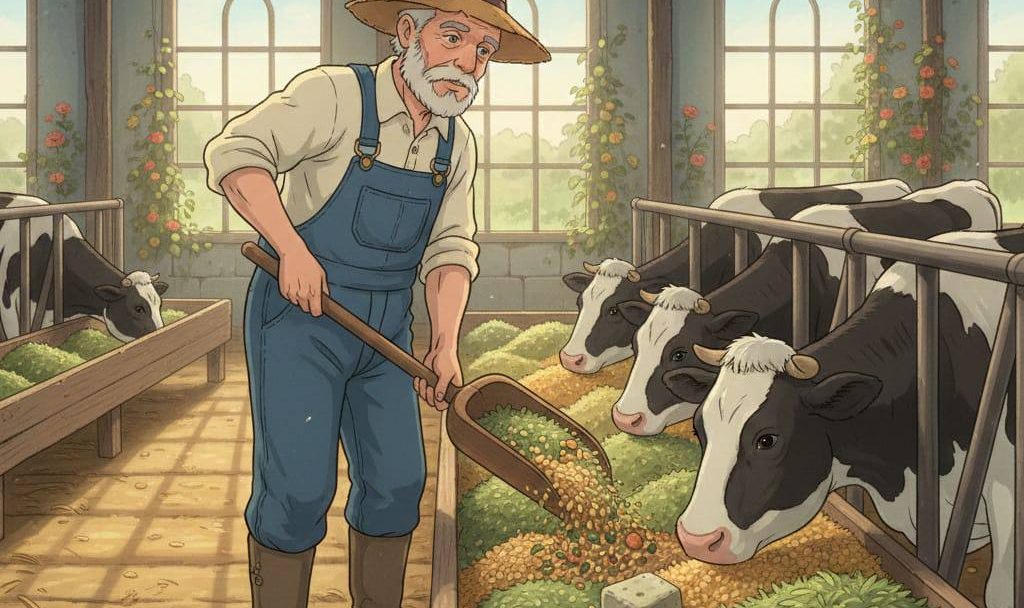
→ A balanced feed and nutrition plan is the foundation of healthy dairy animals and consistent milk production. Many dairy farmers face low milk yield, health problems, and high feeding costs due to improper or unbalanced feeding practices. Dairy animals require the right combination of energy, protein, minerals, vitamins, and water to meet their daily maintenance and production needs. When nutrition is balanced scientifically, animals digest feed efficiently, stay disease-resistant, and produce better-quality milk. This guide explains how to plan a balanced feed program for dairy animals in a simple and practical way. By following these nutrition practices, farmers can improve milk yield, reduce expenses, and maintain long-term herd productivity.
➡️ Key Points / Benefits
→ Increases milk yield and improves milk quality
→ Enhances animal health and immunity
→ Reduces feed wastage and feeding costs
→ Improves digestion and nutrient utilization
→ Supports better reproduction and growth
→ Ensures sustainable and profitable dairy farming
🔵 1️⃣ → Understanding Nutritional Needs of Dairy Animals
Dairy animals require different nutrients depending on their age, body weight, and milk production level. Feeding the same ration to all animals often leads to poor performance and health issues.
Key nutrient groups include:
- Energy: Needed for milk production and daily activities
- Protein: Supports growth, milk synthesis, and body repair
- Minerals and vitamins: Essential for immunity and reproduction
- Water: Critical for digestion and milk formation
Practical tips:
- Adjust feed according to lactation stage
- Provide extra nutrition to high-yielding animals
- Avoid underfeeding or overfeeding
Understanding nutritional requirements helps farmers design efficient and cost-effective feeding plans.
🔵 2️⃣ → Importance of Roughage in Daily Feeding
Roughage forms the bulk of a dairy animal’s diet and is essential for proper rumen function. It helps maintain digestion and prevents metabolic disorders.
Common roughage sources include:
- Green fodder such as grasses and legumes
- Dry fodder like straw and hay
- Silage for year-round feeding
Best practices for roughage feeding:
- Provide clean and fresh fodder
- Maintain proper chop length
- Ensure roughage makes up a major part of the diet
Mistakes to avoid:
- Feeding moldy or spoiled fodder
- Relying only on concentrates
Good-quality roughage improves feed intake, milk fat content, and overall animal health.
🔵 3️⃣ → Role of Concentrates, Minerals, and Supplements
Concentrates supply additional energy and protein required for milk production, especially in high-yielding dairy animals.
Key concentrate components:
- Cereal grains for energy
- Oil cakes or meals for protein
- Bran and by-products for fiber and nutrients
Mineral and supplement tips:
- Provide mineral mixture daily
- Use salt blocks or loose salt
- Supplement vitamins during stress periods
Actionable advice:
- Balance concentrates with roughage
- Adjust quantity based on milk yield
Overfeeding concentrates can cause digestive disorders, so careful balance is essential for optimal results.
🔵 4️⃣ → Feeding Schedule, Water Intake, and Hygiene
A consistent feeding schedule helps maintain digestion and stable milk production. Irregular feeding often causes stress and reduced performance.
Best feeding practices:
- Feed at fixed times daily
- Divide feed into multiple meals
- Ensure continuous access to clean drinking water
Water management tips:
- Provide fresh water after feeding and milking
- Clean water troughs regularly
Hygiene guidelines:
- Store feed in dry, clean areas
- Prevent contamination by pests
- Clean feeding equipment daily
A clean and well-organized feeding system improves feed efficiency and animal comfort.
🔵 5️⃣ → Monitoring Body Condition and Adjusting Diet
Regular monitoring helps farmers understand whether the nutrition plan is working effectively. Body condition score and milk yield are key indicators.
Monitoring steps:
- Observe body weight and physical condition
- Track daily milk production
- Check manure consistency
Dos and Don’ts:
- Do adjust feed during pregnancy and early lactation
- Do consult a nutrition expert when needed
- Don’t ignore sudden drops in milk yield
- Don’t change diet abruptly
Continuous monitoring allows timely corrections and prevents long-term health and production losses.
➡️ CONCLUSION
→ A balanced feed and nutrition plan is essential for achieving high milk yield, healthy dairy animals, and profitable farming. By understanding nutritional requirements, providing quality roughage and concentrates, maintaining feeding hygiene, and monitoring animal condition regularly, farmers can significantly improve performance and reduce costs. Proper nutrition supports better digestion, stronger immunity, and consistent milk production throughout the lactation period. Adopting these practical feeding strategies helps dairy farmers build a sustainable system that benefits both animals and farm income. Consistent attention to nutrition ensures long-term success in dairy farming.